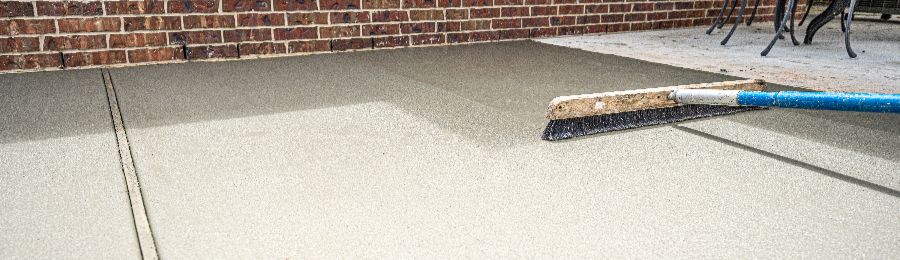

Slip resistance for concrete floors is a key factor in creating safe, reliable surfaces across San Jose. Contractors, flooring professionals, and property owners all deal with traction issues when surface texture, coatings, or preparation are not aligned with real jobsite conditions.
Concrete is durable, but it can become slick without the right floor finish and proper surface prep. Understanding how slip resistance works helps you choose better systems, reduce risk, and build floors that hold up under daily use.
Why Surface Texture Directly Impacts Traction
Surface texture is one of the biggest drivers of slip resistance. The more appropriate the texture for the environment, the better the traction under foot traffic.
Smooth concrete surfaces may look clean and modern, but they often lack grip. On the other hand, textured finishes create friction that improves stability, especially in high-use environments.
Choosing the right balance matters. Too aggressive a texture can make cleaning difficult, while too smooth increases the risk. The goal is to match the surface profile to how the space will actually be used.
How Wet & Dry Conditions Change Floor Performance
Concrete floors behave very differently depending on environmental conditions. In San Jose, you may deal with dry summers and wet seasonal conditions, both of which affect traction.
Wet conditions create a thin barrier between the surface and footwear, which reduces grip. This is where many slip-related incidents occur. Dry conditions can still present issues if the floor finish is overly polished or worn down over time. You should evaluate where moisture is likely to appear, including:
- Entryways Exposed To Rain
- Work Areas With Washdowns Or Spills
- Garages & Exterior-Facing Slabs
- Industrial Spaces With Liquids Or Chemicals
Selecting The Right Floor Finish For Slip Resistance
Your floor finish plays a major role in how a concrete surface performs. Different coatings and sealers provide different levels of traction, durability, and appearance.
Matte and satin finishes typically offer better grip than high-gloss systems. Many floor coating products also allow additives that increase slip resistance without sacrificing overall performance. When evaluating options, consider how the finish will perform under:
- Daily Foot Traffic
- Equipment Movement
- Cleaning Routines
- Exposure To Water Or Chemicals
How Foot Traffic Affects Long-Term Slip Resistance
Heavy foot traffic changes how a floor performs over time. Even well-installed coatings will wear down, especially in high-use areas. As the surface wears, texture can flatten and reduce traction. This makes routine evaluation and maintenance critical if you want to maintain consistent slip resistance.
High-traffic zones like walkways, loading areas, and workstations often require more durable systems or additional traction support built into the coating.
Why Proper Surface Preparation Is Non-Negotiable
No coating system performs correctly without proper surface preparation. This step directly impacts adhesion, durability, and overall slip resistance.
Preparation methods create the surface profile needed for coatings to bond effectively. Without it, even high-quality products can fail prematurely or deliver inconsistent traction.
- Concrete Grinding To Open The Surface
- Shot Blasting For Uniform Texture
- Cleaning To Remove Contaminants
- Repairing Cracks Or Surface Defects
Reducing Liability Risks With Proper Floor Design
Slip-and-fall incidents can lead to serious liability concerns, especially in commercial or public-facing environments. Taking a proactive approach to slip resistance protects both people and your business.
When you install a system designed for traction and maintain it properly, you reduce risk and demonstrate a commitment to safety. This matters for contractors, property managers, and business owners alike. In many cases, improving slip resistance is not just a safety upgrade. It is a risk management decision that supports long-term operations.
Upgrade Your Concrete Floors With Better Slip Resistance
Choosing the right materials makes a measurable difference in performance. Not all coatings are designed for the same environments, and product selection should align with your specific use case. If you are planning a new installation or improving an existing surface, now is the time to evaluate your slip resistance for concrete floors. The right combination of surface texture, floor finish, and preparation ensures safer, longer-lasting results.
Connect with Coatings Hub NorCal to explore coating systems, traction additives, and application tools designed for real-world conditions in San Jose. Get the materials and support you need to build safer concrete floors that perform.