
At Coatings Hub NorCal, we understand that moisture can be a nightmare for homeowners, especially when it comes to preserving the integrity of urethane and epoxy floor coatings. Installing a moisture barrier can dramatically enhance durability and extend the life of these coatings. In Northern California, where weather conditions often vary, understanding the role of moisture barriers is essential for effective concrete moisture control.
Why Moisture Is The Hidden Enemy Of Floor Coatings
Concrete may look solid, but it is porous by nature. Moisture vapor doesn’t stop moving either, as it can travel upward through a concrete slab long after it appears dry. When that vapor reaches epoxy or urethane coatings, it weakens the adhesion and can break down the coating.
Common moisture-related coating failures include bubbling, peeling, delamination, and discoloration. These issues often appear months after installation, which makes moisture mitigation a critical step before any coating system is applied.
What Is A Vapor Barrier For Concrete?
A vapor barrier is installed underneath concrete slabs to prevent water vapor from diffusing through the concrete floor, which can otherwise compromise floor coatings. Most barriers are made of polyethylene or other impermeable materials. Most barriers are made from durable polyethylene and require proper sealing for effectiveness. Thickness and material choice depend on expected moisture levels, but the goal is always the same: reduce vapor transmission and protect epoxy or urethane coatings from premature failure.
Understanding The Need For Moisture Barriers
Vapor barriers play a crucial role in concrete flooring systems. Without proper protection, moisture from the ground can seep through concrete slabs, affecting the adhesion and performance of floor coatings. A moisture barrier acts as a shield to prevent moisture ingress, thus safeguarding your floor investment. Here’s why they are critical:
- Prevention Of Adhesive Failure
- Enhanced Durability
- Offers Mold & Mildew Resistance
- Helps Improve Air Quality
Do You Need A Vapor Barrier On A Concrete Floor?
The need for a vapor barrier depends on factors like location, flooring type, and environmental conditions. However, it’s generally recommended for most concrete installations—especially when applying epoxy or urethane coatings—to help extend coating life and avoid unexpected failures. Moisture barriers also reduce the risk of costly repairs while helping preserve the coating’s non-slip surface.
- Climate Considerations: Northern California’s variable weather heightens the importance of moisture control.
- Flooring Type: Essential for installations with epoxy, urethane, and other sensitive coatings.
- Cost Considerations: While initial costs may increase, long-term savings from preservation and fewer repairs make it a wise investment.
- Structural Integrity: Helps maintain the integrity of the entire flooring system over time.
Moisture Mitigation For Concrete Slabs
Concrete moisture mitigation is the process of minimizing moisture transfer from concrete slabs to surface flooring, a critical step to ensuring coating longevity. Several techniques can be employed, and understanding these can assist homeowners in making informed decisions:
- Surface Treatments: Use floor sealer stains or moisture-blocking coatings.
- Proper Curing: Ensures the slab is fully cured to reduce moisture before the floor covering is laid.
- Moisture Testing: Employs tests like calcium chloride or relative humidity to measure slab moisture levels.
- Sub-Concrete Systems: Use capillary break layers to prevent moisture movement upwards.
Choosing Garage Floor Moisture Vapor Barriers
Garage floors are particularly susceptible to moisture damage due to their proximity to the ground and exposure to vehicle traffic. A robust moisture vapor barrier ensures the durability and longevity of garage floor coatings. Here’s how to choose the right barrier:
- Traffic Load: Select a barrier that can withstand heavy vehicular traffic with ease.
- Chemical Resistance: Must withstand exposure to oils, gasoline, and other automotive fluids.
- Temperature Fluctuations: Effective at maintaining integrity through extreme temperature changes typical of garages.
- Installation Ease: Consider user-friendly options that facilitate a straightforward installation.
When Paint On Vapor Barriers Make Sense
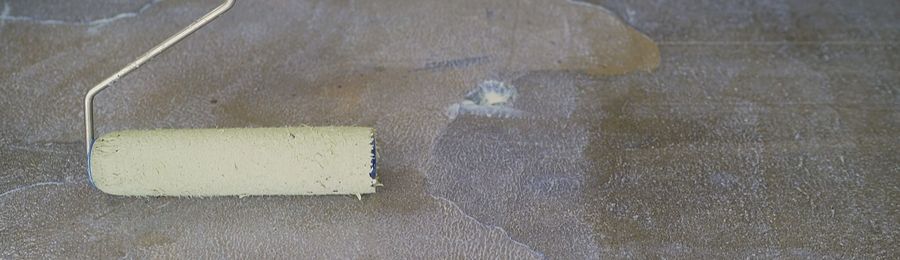
Paint-on vapor barriers offer a convenient alternative for existing concrete floors that require moisture protection without undergoing full-scale reconstruction. These barriers are directly applied to the floor surface as paints or coatings. Key insights into their advantages include:
- Ease Of Application: Requires minimal tools and labor for effective installation.
- Flexibility: Provides adaptability for various concrete substrate conditions.
- Cost-Effective Solution: Offers a budget-friendly option compared to more extensive interventions.
- Quick Dry-Time: Often faster to set up and cure than other barrier types.
Protect Your Floor Coatings With Coatings Hub NorCal
Whether you’re protecting a residential garage or enhancing a commercial space, adopting the right moisture barrier can significantly extend the life of your floor coatings. Our team at Coatings Hub NorCal is equipped to provide guidance and materials best suited for Northern California’s diverse climate challenges. Reach out to us to explore effective solutions tailored to your moisture barrier needs. Secure your investments with our expert solutions and experience flooring that stands the test of time.